The Ultimate Guide to Golf Cart Batteries: Making the Right Choice for Your Electric Golf Cart
For golf cart owners, choosing the right battery isn’t just about keeping their cart moving – it’s about ensuring consistent performance and minimizing downtime on the golf course. Whether you’re maintaining a Club Car, EZGO, or Yamaha, understanding your battery options is crucial for optimal performance and cost-effective operation.
Traditional Lead-Acid vs. Modern Lithium: What’s Best for You?
Flooded lead-acid batteries have been the go-to choice for decades. They’re reliable and relatively affordable, but they require regular maintenance to prevent corrosion and ensure proper function. Deep cycle batteries in this category, like those from Trojan Batteries, offer decent runtime and durability, but they’re gradually being outpaced by newer technology.
Enter lithium golf cart batteries, specifically LiFePO4 batteries (lithium iron phosphate). These high-performance batteries are revolutionizing how golfers power their carts. With superior energy density and a longer lifespan than traditional options, lithium-ion batteries are becoming increasingly popular despite their higher upfront cost.
Key Benefits of Lithium Golf Cart Batteries:
- Maintenance-free operation
- Fast charging capabilities
- Extended lifespan (up to 3-4 times longer than lead-acid)
- Built-in battery management system (BMS)
- Bluetooth connectivity for monitoring
- Consistent amp hours throughout discharge
- Higher energy density
Voltage Options and Compatibility
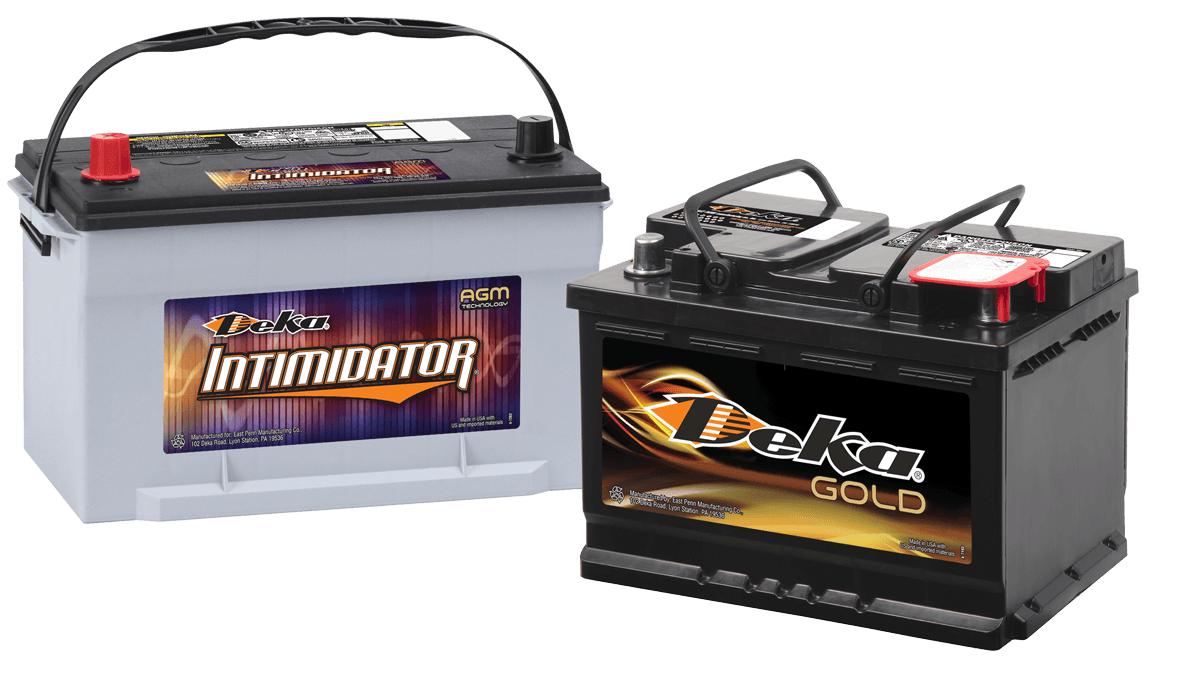
Most electric golf carts run on either 48 volt or 8 volt battery configurations. When selecting a new battery, it’s essential to match your golf cart models‘ specifications. AGM batteries offer a middle-ground solution between flooded lead-acid and lithium options, providing some maintenance-free benefits at a lower cost than lithium.
Smart Features for Modern Golfers
Today’s high-quality batteries come equipped with advanced features like balancers and sophisticated battery management systems. These technologies prevent overcharging, monitor charge cycles, and help maintain optimal battery life. Some even offer Bluetooth connectivity to track performance through smartphone apps.
Cost Considerations and Warranty
While lithium golf cart batteries typically cost more upfront, their longer lifespan and reduced maintenance requirements often make them more cost-effective over time. When comparing options, consider:
- Warranty terms
- Expected charge cycle count
- Maintenance requirements
- Runtime per charge
- Total cost of ownership
Making the Right Choice
The best golf cart batteries for your needs will depend on several factors:
- Usage patterns (occasional vs. heavy use)
- Climate conditions
- Budget constraints
- Desired lifespan
- Maintenance preferences
For those seeking maximum performance and minimal maintenance, a lithium golf cart battery with a robust BMS is hard to beat. However, if initial cost is a major concern, high-quality AGM or traditional lead-acid batteries can still provide reliable service with proper care.
FAQs About Golf Cart Batteries
Many golf cart owners ask about optimal charging practices, storage recommendations, and compatibility issues. The key is to follow manufacturer guidelines for your specific type of battery and ensure you’re using the correct charger for your system.
Whether you’re powering through 18 holes or using your cart for community transportation, choosing the right battery is crucial for consistent performance and reliability. Consider your specific needs, budget, and maintenance preferences when making your selection, and remember that investing in quality often pays off through extended lifespan and improved performance.