
The Ultimate Guide to RV Batteries: Powering Your Adventure
The Ultimate Guide to RV Batteries: Powering Your Adventure
Let’s face it – nothing kills the thrill of camping quite like a dead battery. Whether you’re living the full-time RV life or just heading out for weekend adventures in your motorhome, understanding your power system is crucial. Today, we’re diving deep into the world of RV batteries – from traditional lead-acid to cutting-edge lithium technology.
Understanding Your Options
Gone are the days when lead-acid batteries were your only choice. Modern recreational vehicles can now harness the power of lithium iron phosphate (LiFePO4) batteries, which are revolutionizing how we think about energy storage. While AGM batteries and traditional deep cycle batteries still have their place, lithium battery technology is quickly becoming the gold standard for house batteries in RVs.
The most popular option? The 12V 100Ah lithium battery. These powerhouses deliver consistent performance whether you’re running your inverter, powering your trolling motor, or keeping your devices charged through built-in USB ports. Many even come with Bluetooth connectivity for easy monitoring.
Lead-Acid vs. Lithium: Breaking It Down
Traditional lead-acid batteries, including dual purpose and deep cycle RV batteries, have been the go-to power sources for decades. They’re affordable and familiar, with decent cold cranking amps (CCA) for starting batteries. But they require regular maintenance and have a shorter lifespan.
Enter lithium-ion batteries, specifically LiFePO4 batteries. These maintenance-free champions offer:
- 2-3 times longer battery life
- Lighter weight (perfect for weight-conscious camper owners)
- Faster charging with compatible battery chargers
- Better performance in cold weather
- Often come with a 10-year warranty
Off-Grid Living: Solar Integration
For those dreaming of off-grid adventures, combining your battery system with solar panels is a game-changer. Modern RV solar setups can keep your 12 volt power systems running smoothly, whether you’re parked at a remote campsite or boondocking in the wilderness.
Size Matters: Understanding Group Size and Amp Hours
When shopping for RV batteries, you’ll encounter terms like “group size” and “amp hours.” Think of amp hours like your gas tank – the higher the number, the longer you can run your devices. Group size refers to the physical dimensions of your battery, which is crucial for proper fitting in your power systems.
Making the Right Choice
Consider these factors when selecting your type of battery:
- Usage patterns (weekend warrior vs. full-time RVer)
- Climate (affects battery performance)
- Budget (lithium costs more upfront but lasts longer)
- Power needs (running air conditioning vs. basic lighting)
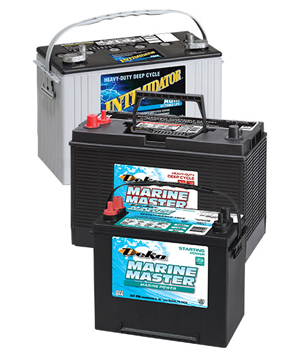
Remember, some batteries pull double duty. Marine batteries and golf cart batteries can work well in RVs, especially 6-volt batteries wired in series for 12V systems. Companies like Optima offer automotive-grade options that work great in recreational vehicles.
The Bottom Line
Whether you choose traditional deep cycle batteries or spring for a premium lithium battery system, understanding your power needs is key. Modern energy storage solutions, especially when paired with solar power, can keep you comfortable off-grid for longer than ever before.
Just remember – whatever system you choose, read that warranty carefully and ensure your battery charger is compatible with your new setup. Happy camping!


